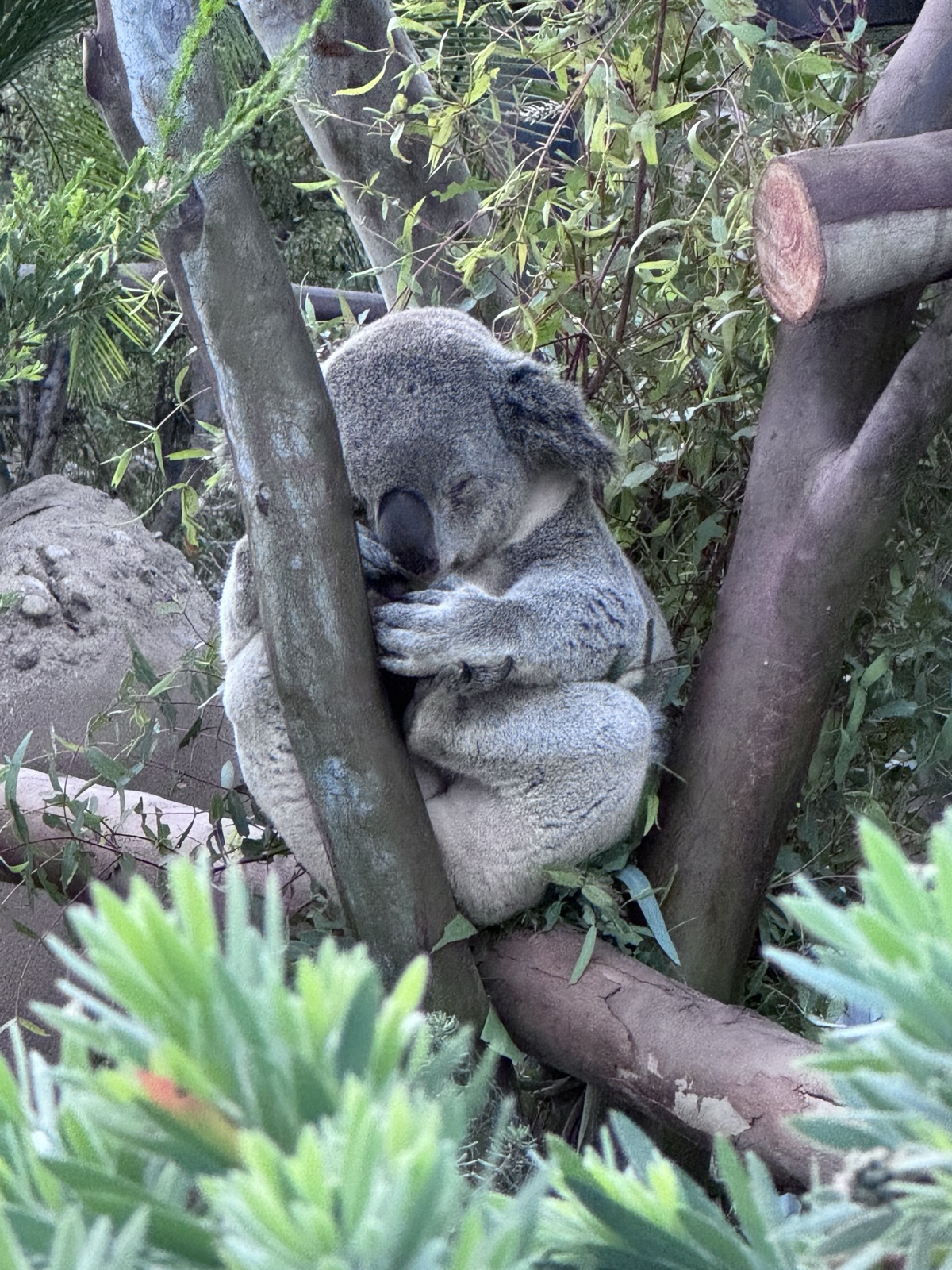
A koala curled up asleep in the fork of a eucalyptus branch.

Sleeping Koala

Koala (Phascolarctos cinereus) A tree-dwelling marsupial native to eastern Australia — not a bear, despite the nickname. Koalas sleep up to 20 hours a day because their eucalyptus diet is so low in energy. Not native here — this one lives at the San Diego Zoo, tucked into the classic koala nap posture in the fork of a branch. Wikipedia | iNaturalist
August 3, 2026
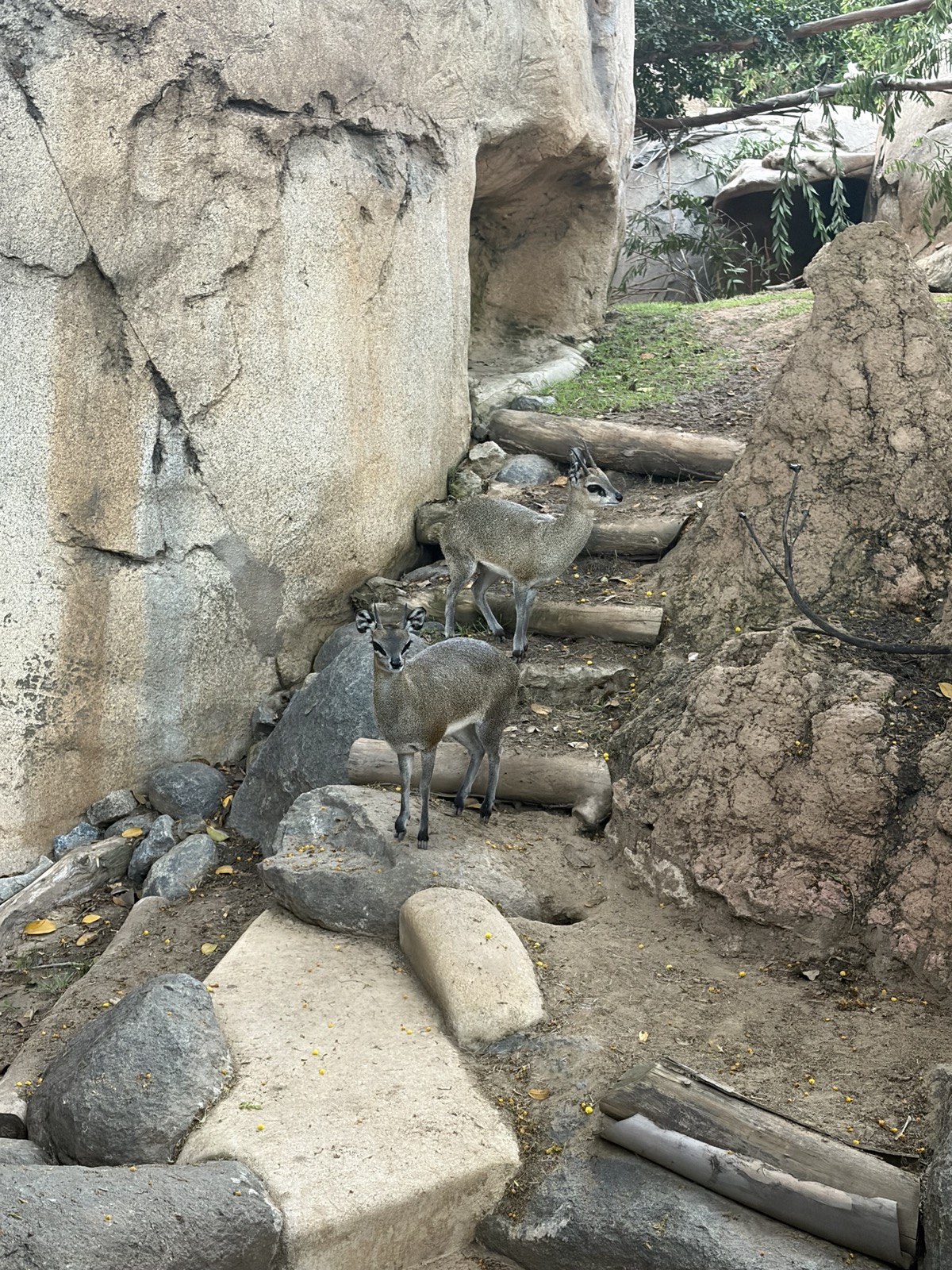
Two klipspringers standing on tiptoe atop the rocks in their zoo enclosure.

Pair of Klipspringers

Klipspringer (Oreotragus oreotragus) A small African antelope built for rocky terrain — it walks on the very tips of its hooves, giving it remarkable balance on steep granite. Its coarse, hollow-shafted fur cushions it against stone and blends into the rock. Klipspringers usually pair for life, so you’ll often see them in twos like this, one keeping watch while the other feeds. Not native here — this pair lives at the San Diego Zoo. ...

August 3, 2026
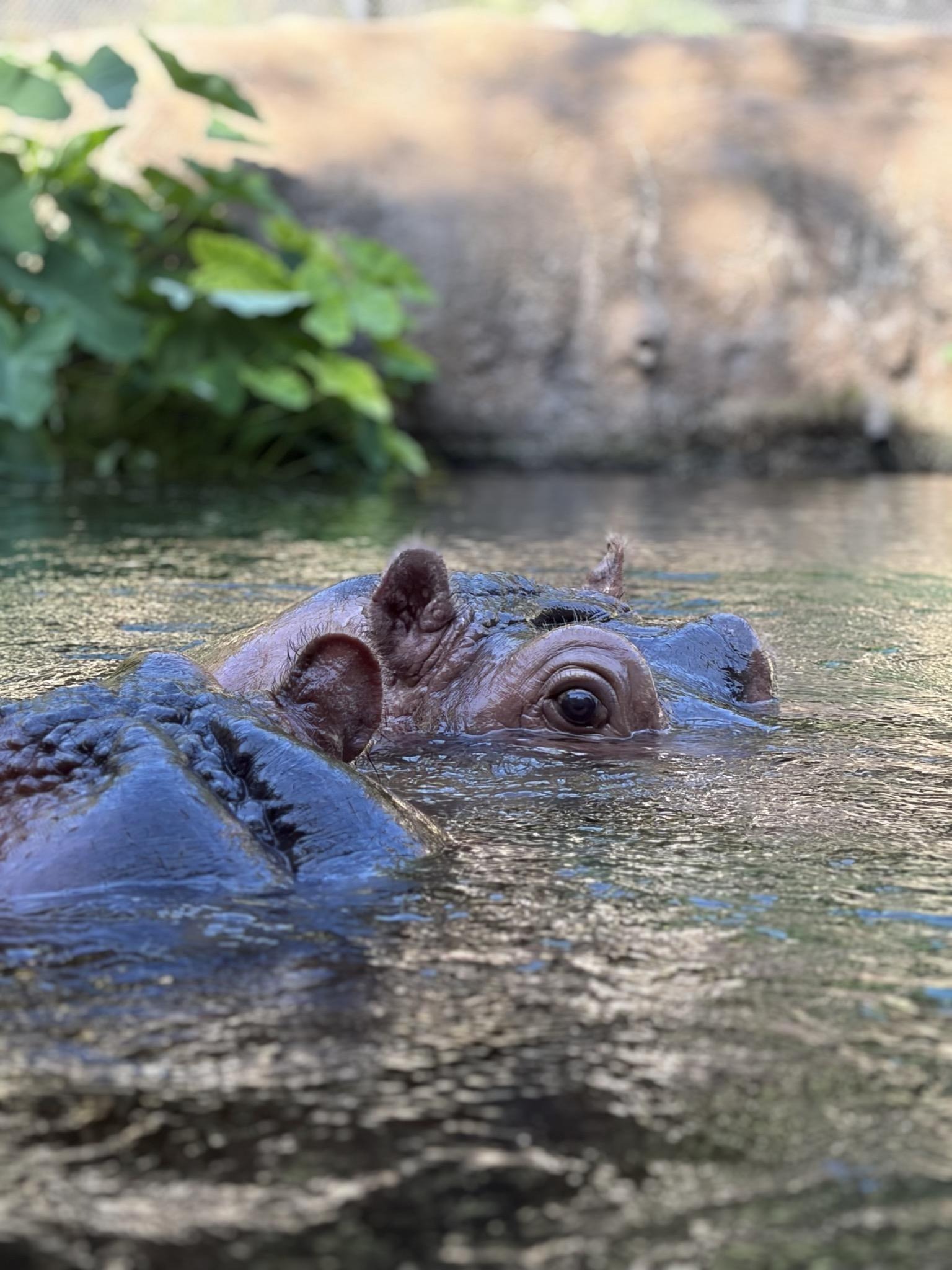
A hippo's eyes and ears breaking the water surface, the rest submerged.

River hippopotamus at the San Diego Zoo

River Hippopotamus (Hippopotamus amphibius) The most rotund land mammal, with adults reaching roughly 4 tons; its eyes, ears, and nostrils sit on top of the skull so it can see, hear, and breathe while the rest of the body stays submerged. Its skin is 4–6 cm thick and secretes a reddish oily substance that functions as both sunscreen and antibiotic, requiring the animal to stay wet daily to avoid drying out. ...

August 2, 2026
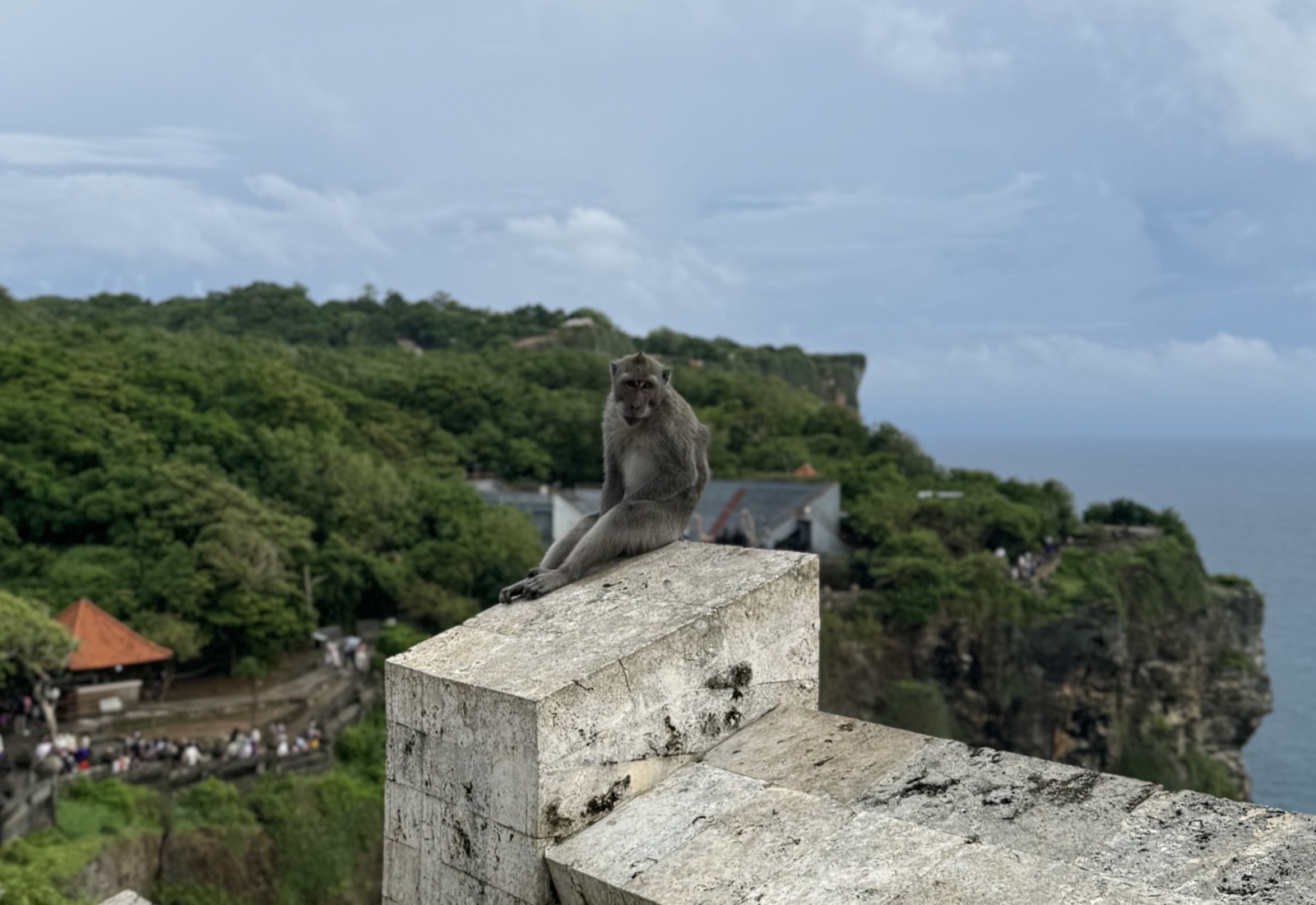
A long-tailed macaque sitting atop a stone wall above a forested clifftop and the sea.

Long-tailed macaque. Uluwatu, Bali.

Long-tailed macaque (Macaca fascicularis) This adaptable monkey is a notorious opportunist, and the troop at Uluwatu Temple is famous for snatching sunglasses, hats, and phones from visitors, then bartering them back for food. Resident year-round around Uluwatu (Pura Luhur Uluwatu) on Bali’s Bukit Peninsula, where they live alongside the clifftop temple. Modeled range · iNaturalist · CC BY 4.0 Wikipedia | iNaturalist | Range map

July 4, 2026
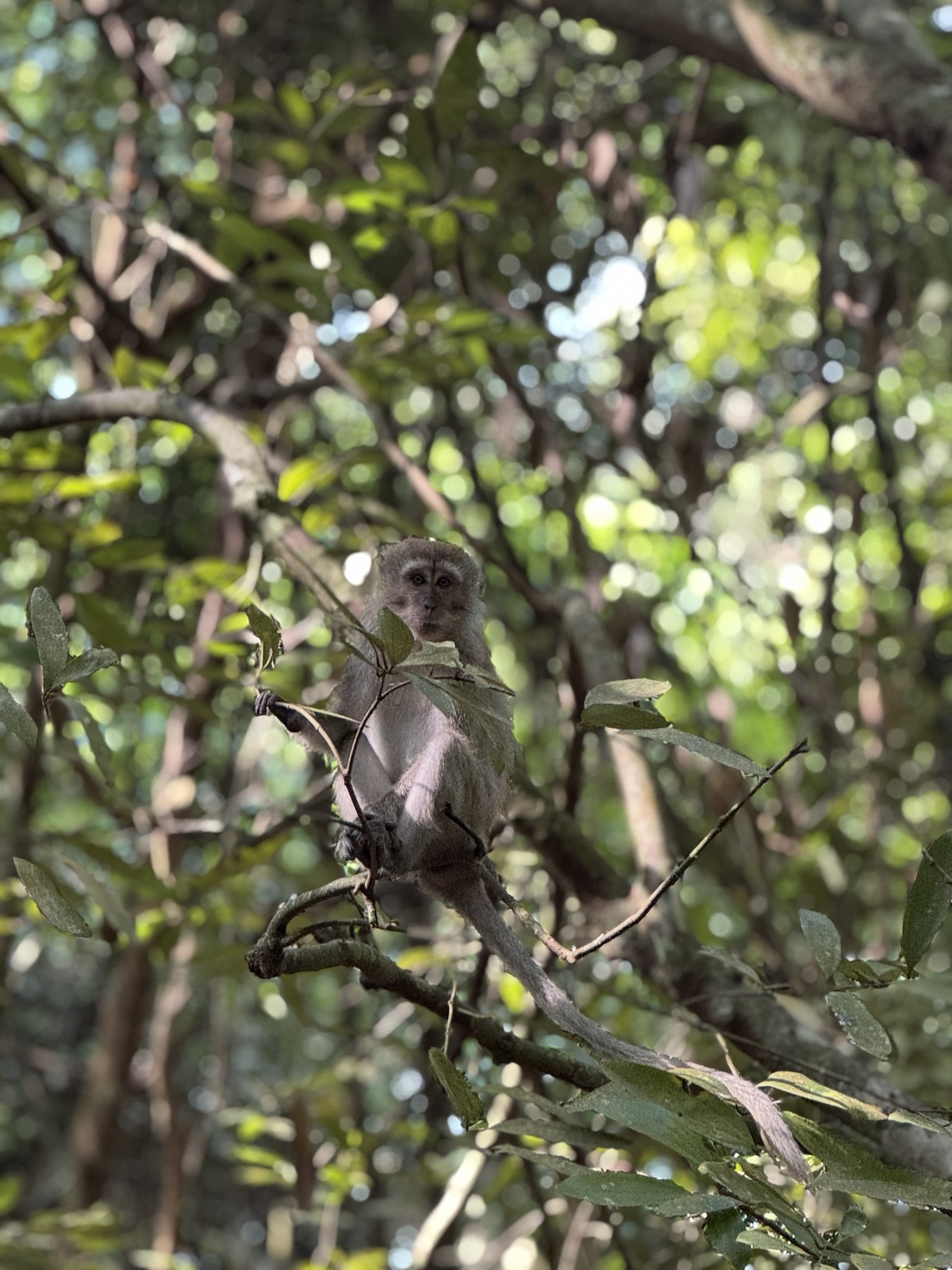
A long-tailed macaque perched in the forest canopy, gripping a leafy branch.

Long-tailed macaque. Singapore.

Long-tailed macaque (Macaca fascicularis) Named for its tail, which is often longer than its head and body combined, this adaptable monkey thrives in forest, mangrove, and urban edges across Southeast Asia. Singapore’s most common wild primate, found year-round in nature reserves like Bukit Timah and MacRitchie and along forest fringes. Modeled range · iNaturalist · CC BY 4.0 Wikipedia | iNaturalist | Range map

July 4, 2026
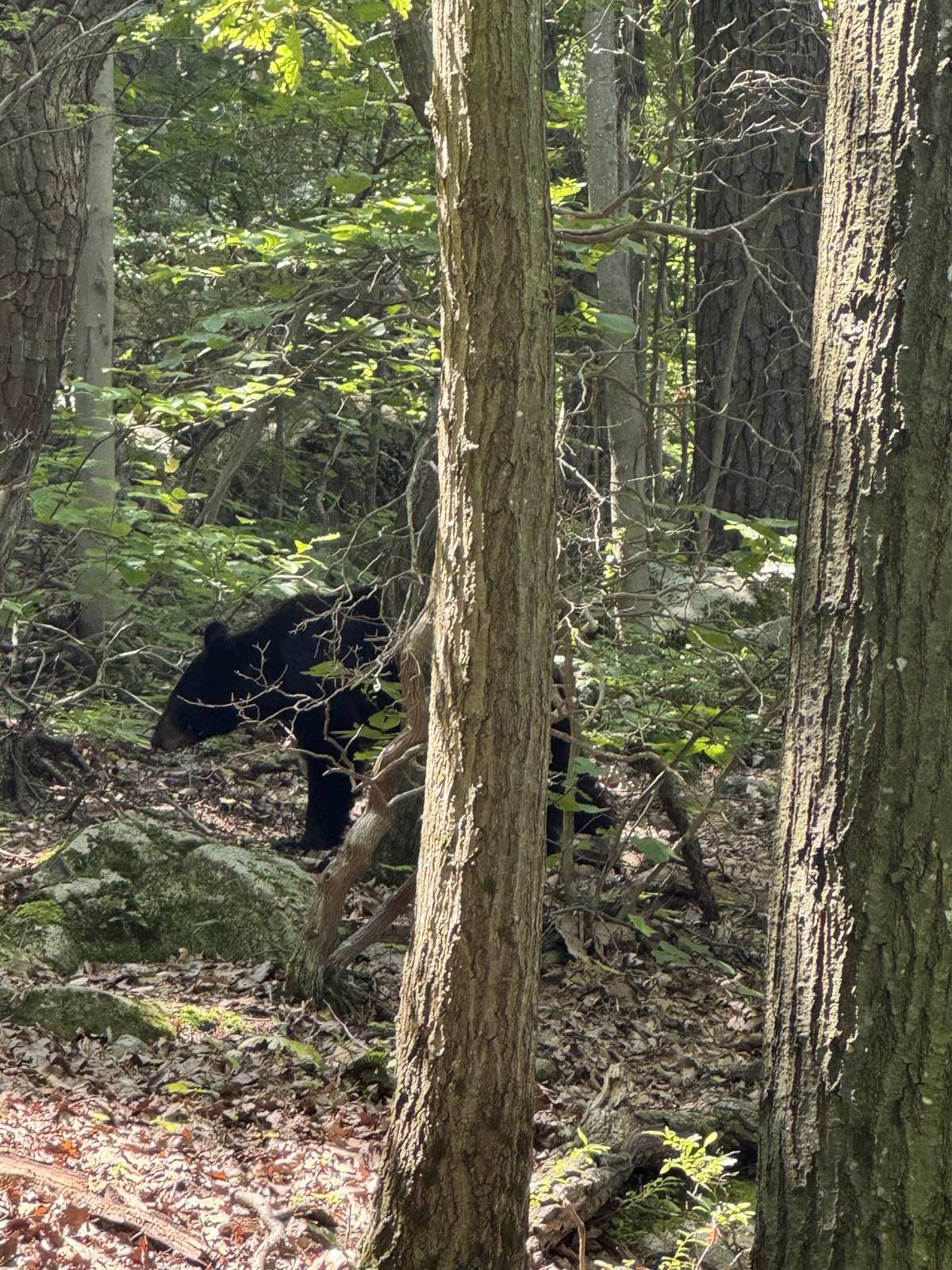
An American black bear foraging on the forest floor, with a second bear half-hidden behind a tree.

Black bear (and cub), New Jersey

American Black Bear (Ursus americanus) North America’s smallest and most common bear, black bears are agile climbers and can run up to 35 mph despite their bulk. New Jersey has one of the densest black bear populations in the U.S., concentrated in the forested northwest; they are active year-round but most visible from spring through fall. Modeled range · iNaturalist · CC BY 4.0 Wikipedia | iNaturalist | Range map

July 4, 2026
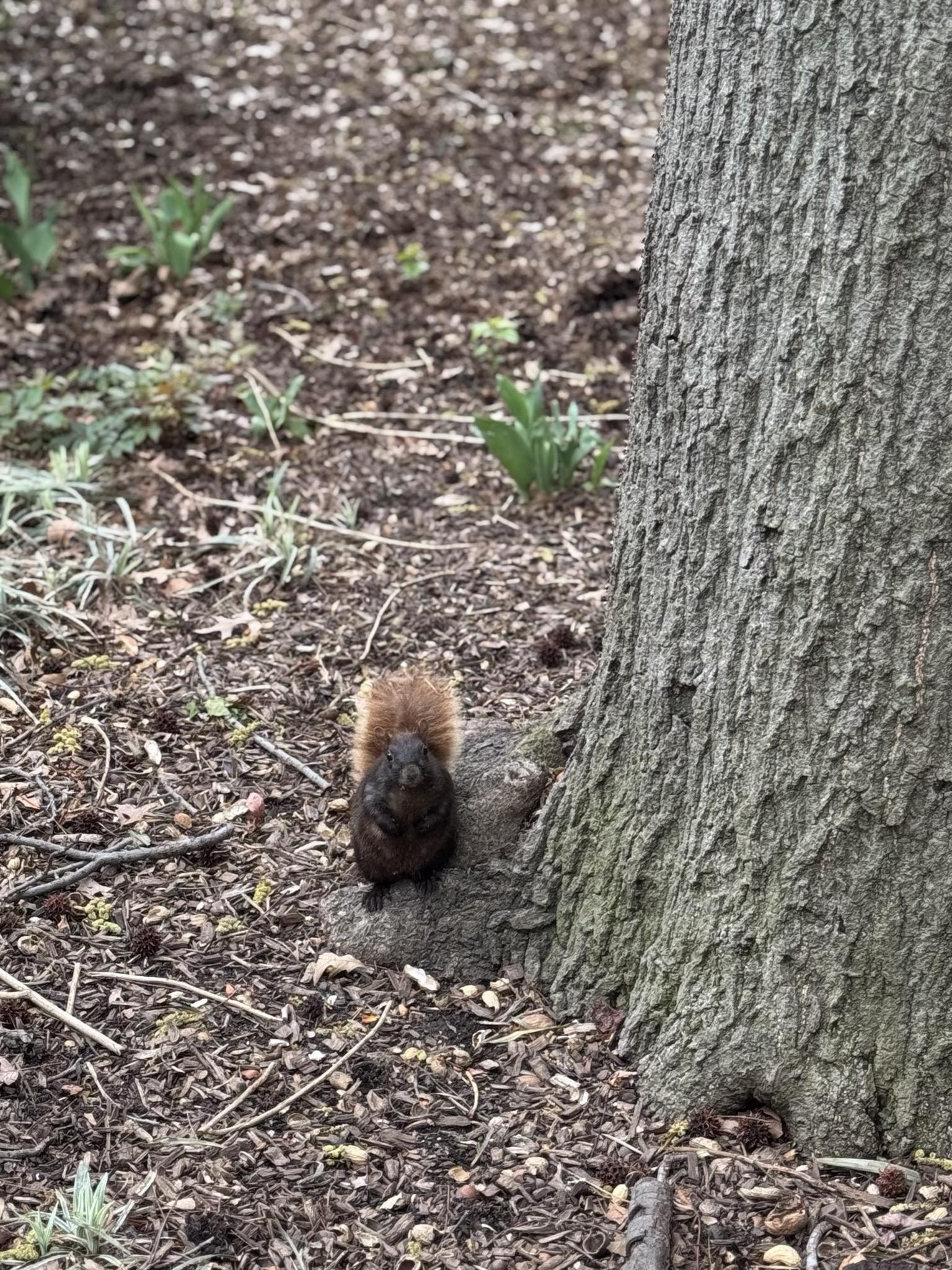
A dark, near-black squirrel with a rufous-brown tail sits upright on a rock beside a tree in a city park.

Melanistic Eastern gray squirrel: a two-toned black morph

📍 Stuyvesant Town, New York City Eastern gray squirrel (Sciurus carolinensis) — melanistic morph This is a melanistic Eastern gray squirrel, not a separate species. Melanism is an overproduction of the dark pigment melanin (the inverse of albinism), which turns the normally gray coat near-black; such animals are known informally as “black squirrels.” The two-toned appearance here — a black body with a tail retaining a warm rufous cast — reflects incomplete pigmentation of the tail rather than the animal’s age. ...

July 4, 2026
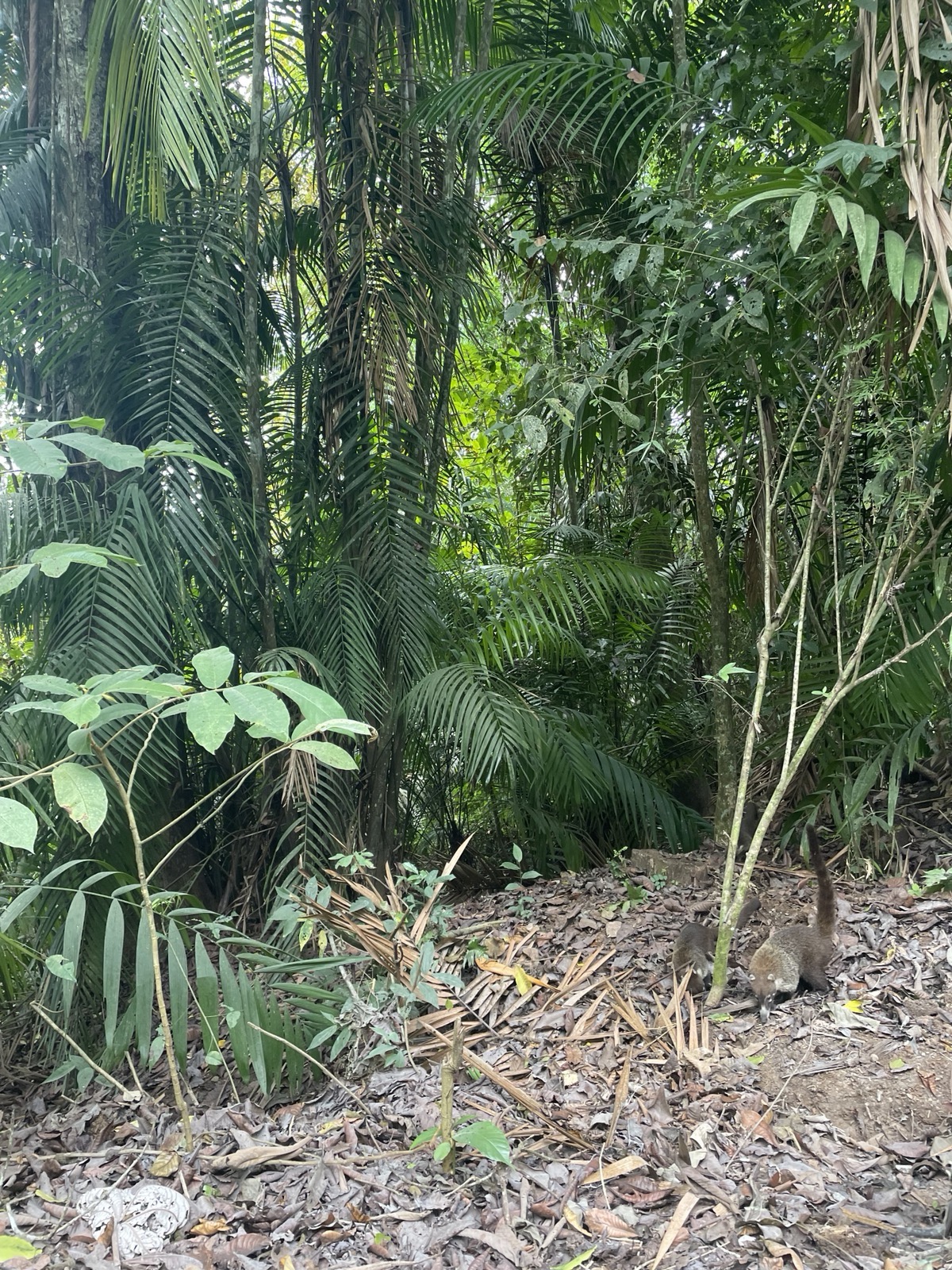
White-nosed coati nosing through leaf litter on a tropical forest floor in Panama City

Coati foraging

📍 Panama City White-nosed Coati (Nasua narica) Females and young travel in noisy bands of up to 30, rooting through leaf litter for insects, fruit, and small vertebrates, while adult males forage alone for most of the year. Common year-round in the forests and parks around Panama City, where they’ve adapted well to the urban-wildland edge. Modeled range · iNaturalist · CC BY 4.0 Wikipedia | iNaturalist | Range map

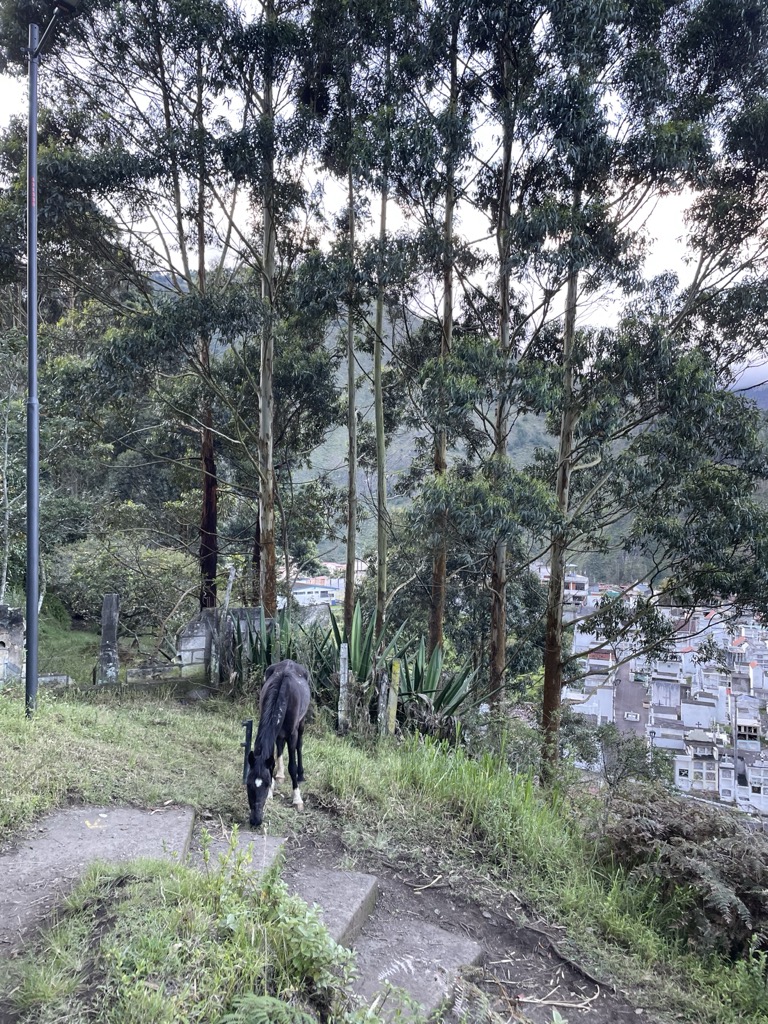
A dark feral horse grazes on a misty hillside among eucalyptus trees overlooking Baños de Agua Santa, Ecuador

Wild horse, Baños de Agua Santa

📍 Baños de Agua Santa, Ecuador Feral Horse (Equus caballus) Descendants of horses brought by Spanish colonists, feral horses roam freely through Ecuador’s highlands, grazing unfenced hillsides and wandering among towns with little human interference. Feral and semi-feral horses are a common sight around Baños de Agua Santa year-round, navigating the steep Andean terrain with sure-footed ease. Modeled range · iNaturalist · CC BY 4.0 Wikipedia | iNaturalist | Range map

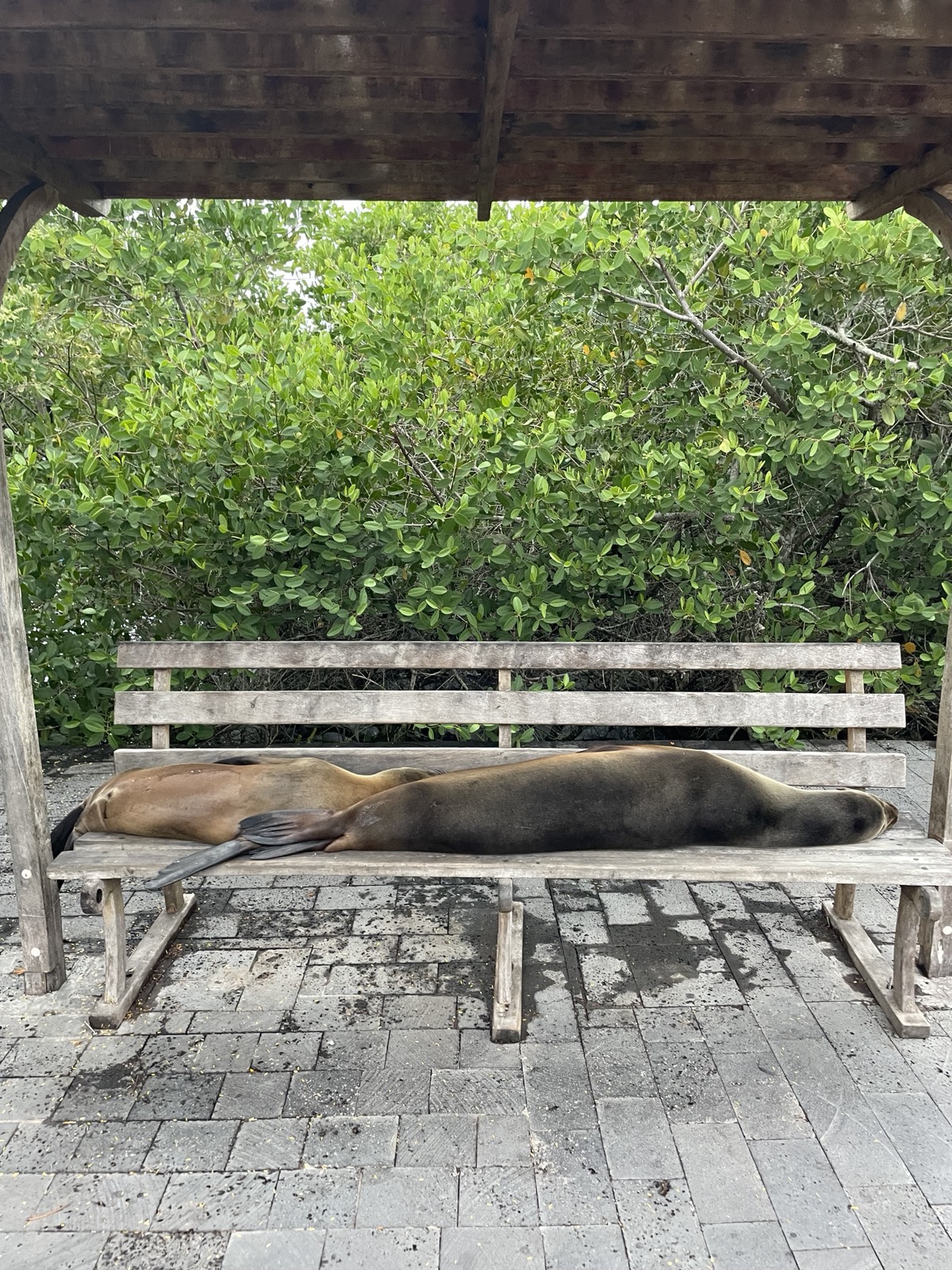
Two Galápagos sea lions sprawled across a park bench under a wooden shelter, backed by mangroves.

Napping sea lions

📍 Galápagos Islands Galápagos Sea Lion (Zalophus wollebaeki) The only sea lion species endemic to the Galápagos, famous for treating park benches, docks, and boat decks as perfectly acceptable beds. Year-round residents of the archipelago, they are one of the most abundant and approachable marine mammals in the islands. Modeled range · iNaturalist · CC BY 4.0 Wikipedia | iNaturalist | Range map | IUCN Red List

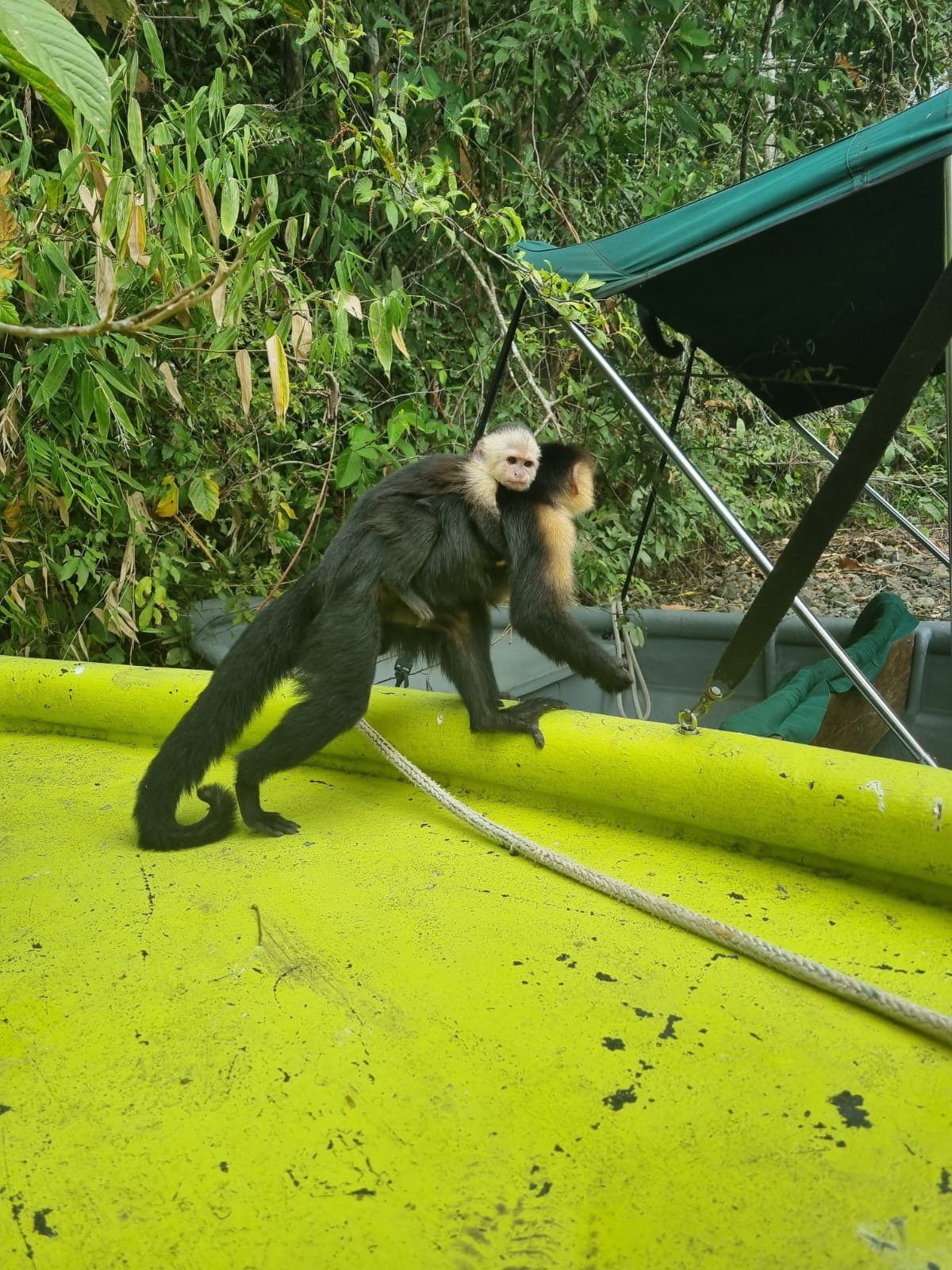
Panamanian white-faced capuchin mother with infant riding on her back, climbing across the hull of a yellow boat

Baby capuchin clinging to mom

📍 Panama Canal Panamanian White-faced Capuchin (Cebus imitator) One of the most intelligent New World monkeys, known for using tools and washing food — and for boldly raiding boats and picnic sites along the canal. A year-round resident of Central American forests from Honduras to Panama, these capuchins thrive in the lush vegetation bordering the Panama Canal and are among the most frequently spotted primates by transiting boaters. Modeled range · iNaturalist · CC BY 4.0 Wikipedia | iNaturalist | Range map

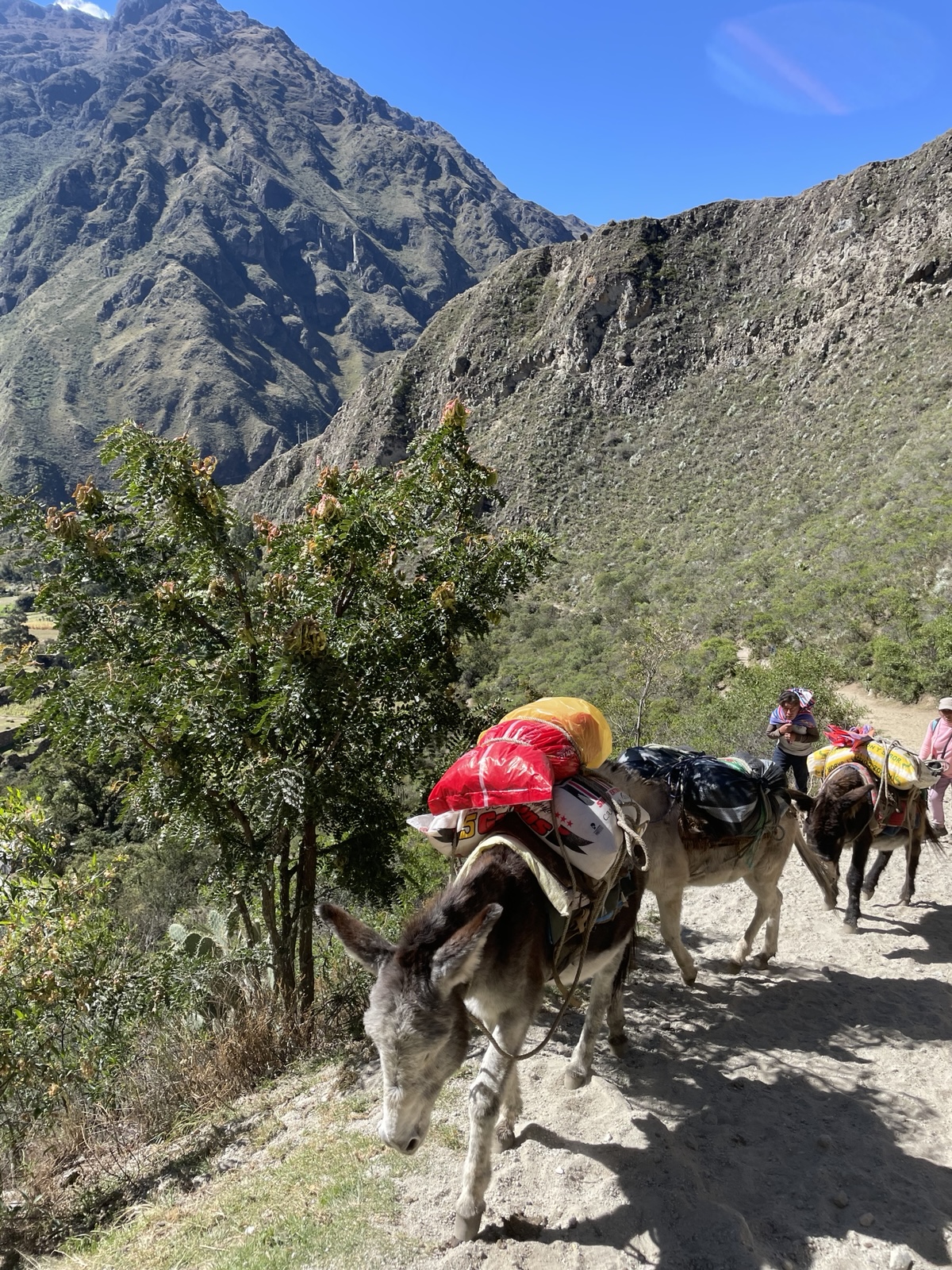
A train of pack donkeys hauls colorful bundles up a dusty switchback on the Inca Trail with steep Andean peaks behind

Donkeys on the Inca Trail

📍 Inca Trail, Peru Donkey (Equus asinus) Hardy, sure-footed, and unfazed by thin air — burros have worked Andean trails for centuries, carrying gear so trekkers don’t have to. Pack donkeys are a common sight year-round on the Inca Trail and throughout the Peruvian highlands, where they remain the preferred transport on paths too narrow or steep for vehicles. Modeled range · iNaturalist · CC BY 4.0 Wikipedia | iNaturalist | Range map