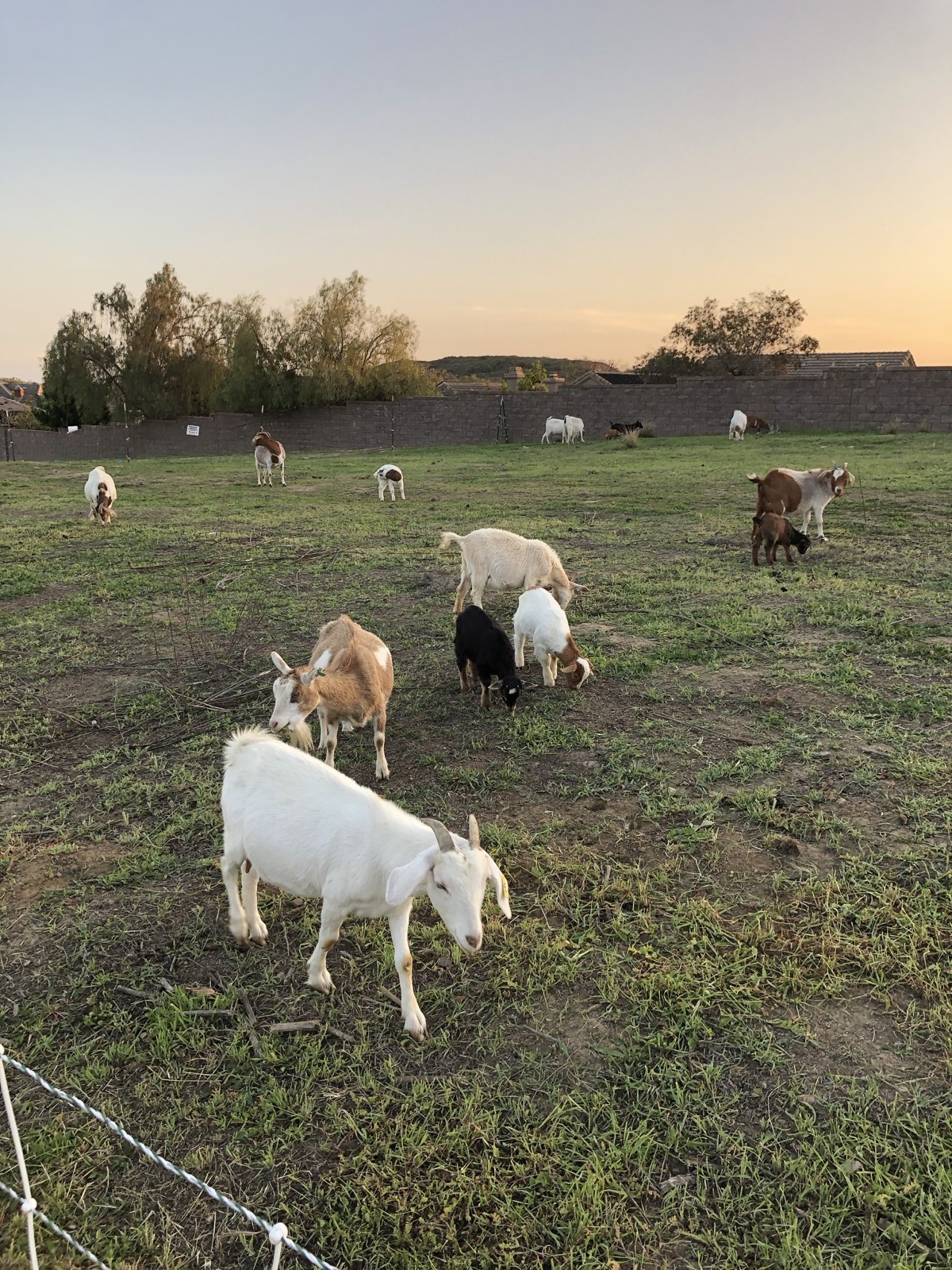
A herd of goats grazing a dry field behind an electric fence at sunset in San Diego.

Wildfire-Prevention Goats at Golden Hour

Domestic Goat (Capra hircus) A whole herd grazing at golden hour behind a low electric fence — these are wildfire-prevention goats, deployed to clear the dry brush that would otherwise fuel fires. Since 2021, SDG&E’s grazing herds have cleared thousands of high-risk acres across San Diego County, navigating steep, rugged terrain that machines can’t reach — with no sparks required. Wikipedia | iNaturalist | Range map

July 4, 2026
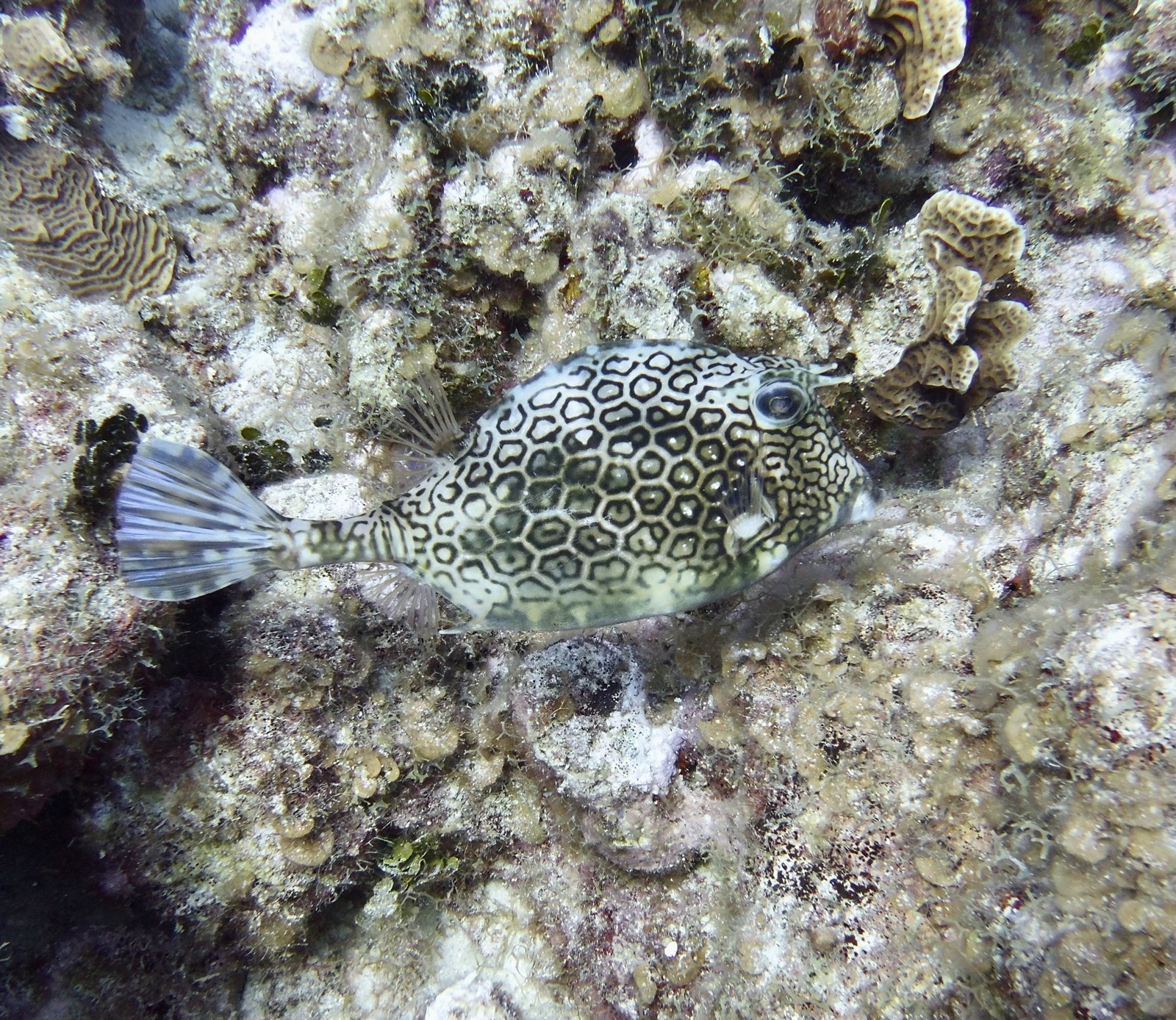
A honeycomb cowfish with hexagonal markings hovering over a coral reef.

Found a honeycomb cowfish on the reef

Honeycomb Cowfish (Acanthostracion polygonius) A tropical West Atlantic boxfish named for the hexagonal honeycomb pattern covering its body, with a pair of small horns above the eyes. Common on Caribbean and Bahamian reefs year-round, usually seen cruising slowly and alone over coral. Modeled range · iNaturalist · CC BY 4.0 Wikipedia | iNaturalist | Range map

July 4, 2026
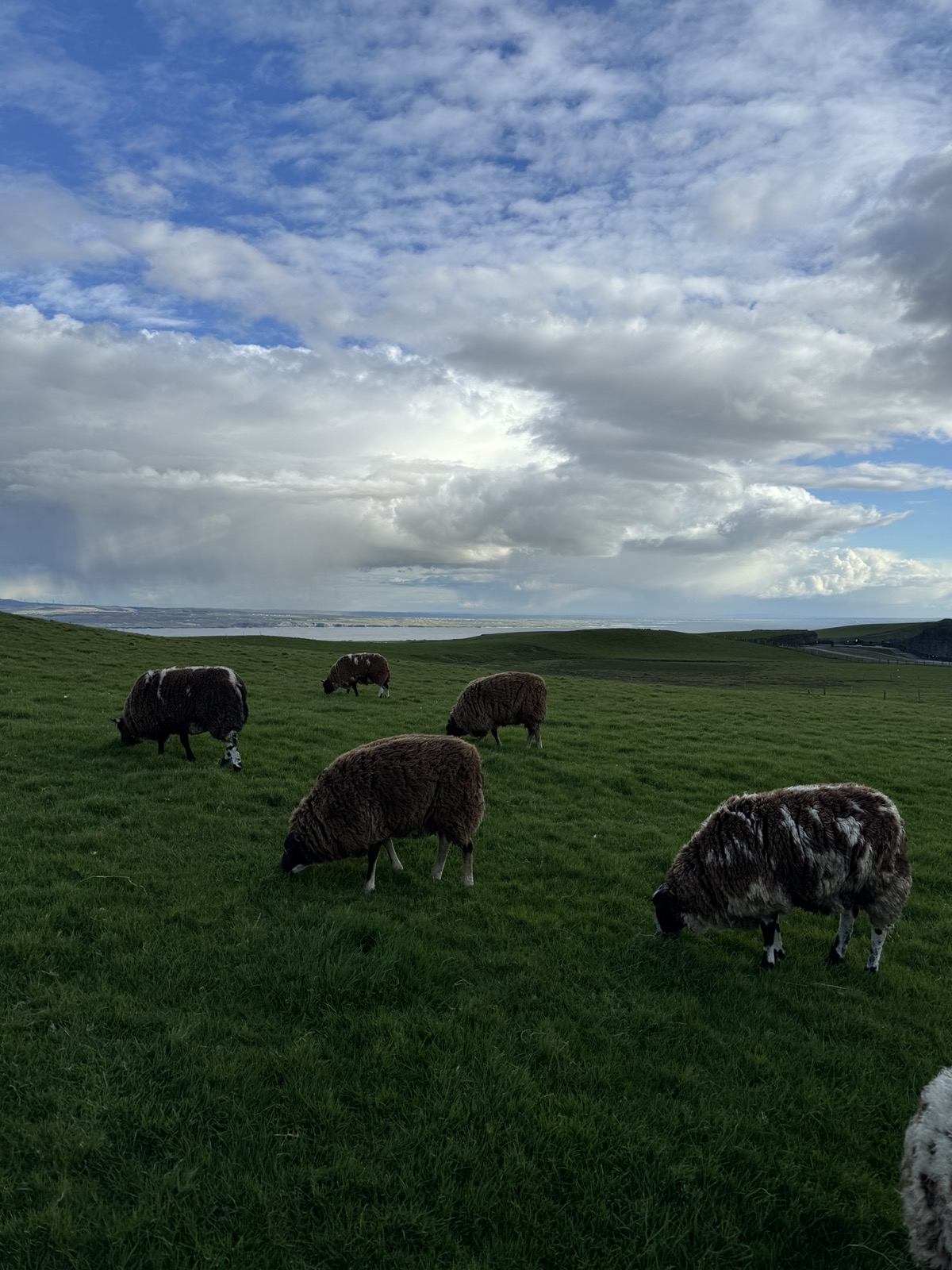
Dark brown and piebald sheep grazing on a coastal hillside with the sea and cloudy sky behind.

Sheep grazing above the coast. Ireland.

Domestic sheep (Ovis aries) A small group of dark brown and piebald domestic sheep grazing on a coastal hillside, their mottled fleeces standing out against the green. Sheep are grazed on hills and headlands throughout coastal Ireland, thriving on rough pasture in all weather. Modeled range · iNaturalist · CC BY 4.0 Wikipedia | iNaturalist | Range map

July 4, 2026
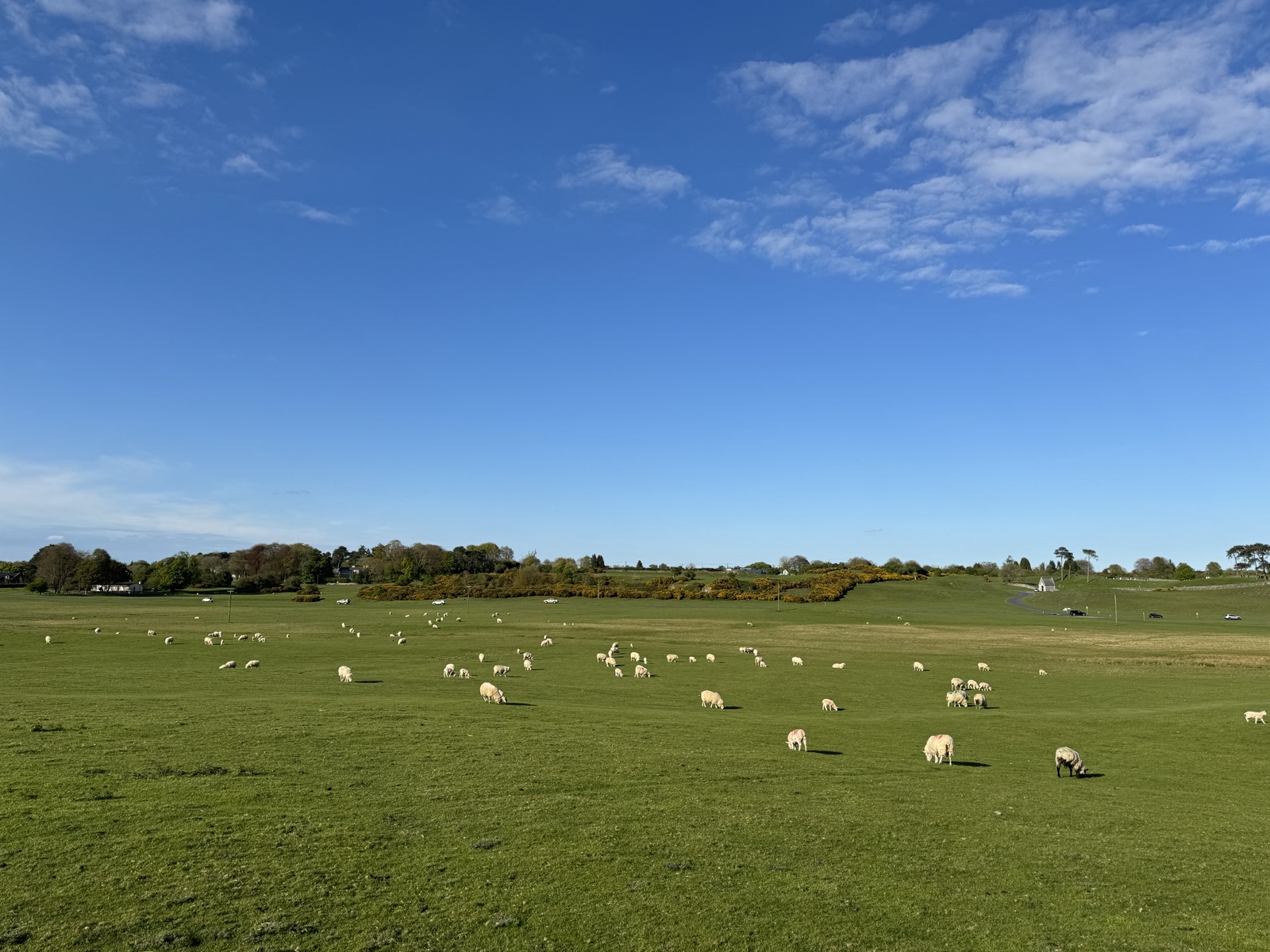
A large flock of white sheep grazing across flat green Irish pasture under a blue sky.

Flock of sheep. Ireland.

Domestic sheep (Ovis aries) A flock of grazing domestic sheep, several marked with colored raddle (crayon) patches used to track breeding and ownership. Sheep farming is central to Irish agriculture, and flocks like this graze open pasture year-round across the country. Modeled range · iNaturalist · CC BY 4.0 Wikipedia | iNaturalist | Range map

July 4, 2026
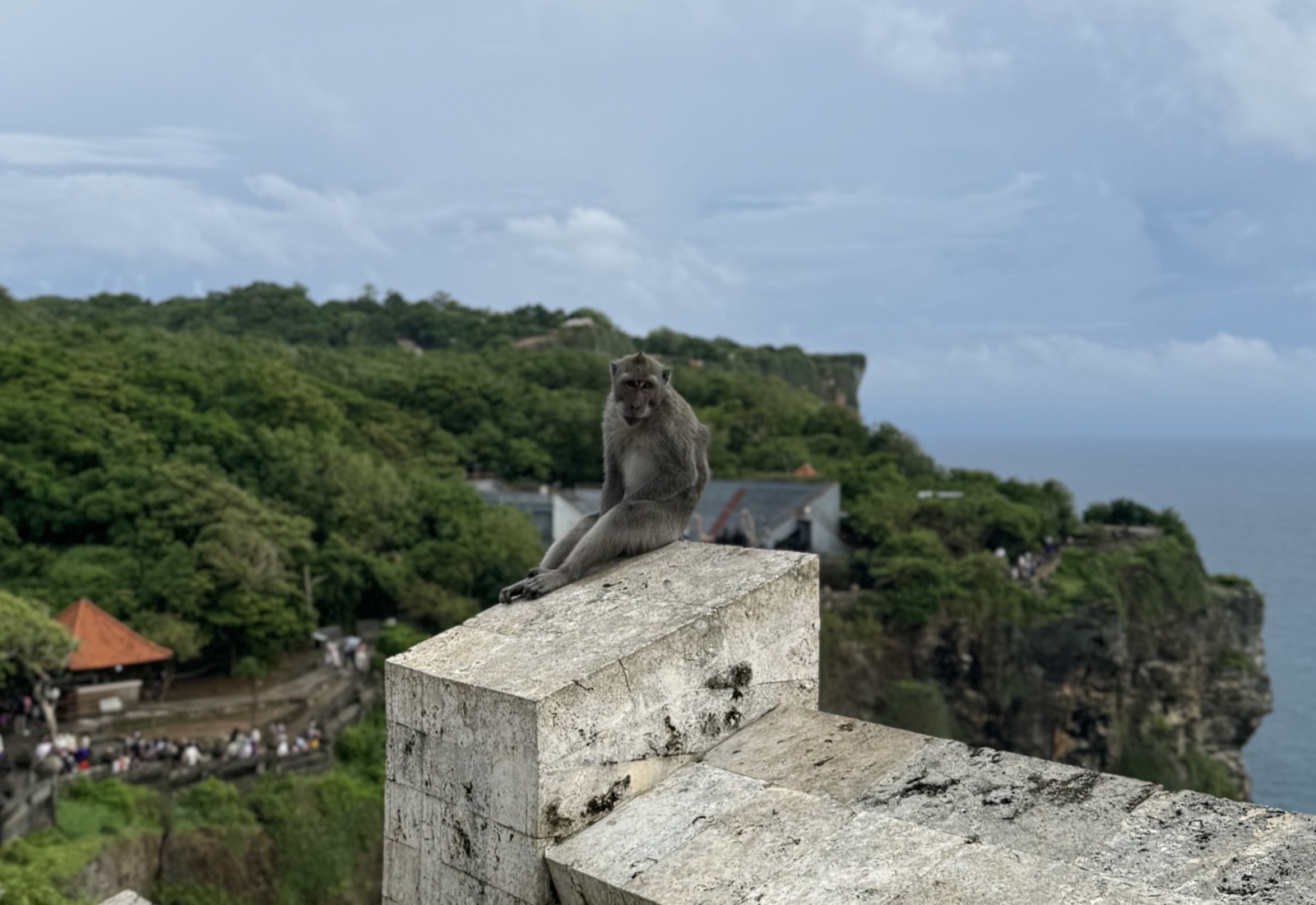
A long-tailed macaque sitting atop a stone wall above a forested clifftop and the sea.

Long-tailed macaque. Uluwatu, Bali.

Long-tailed macaque (Macaca fascicularis) This adaptable monkey is a notorious opportunist, and the troop at Uluwatu Temple is famous for snatching sunglasses, hats, and phones from visitors, then bartering them back for food. Resident year-round around Uluwatu (Pura Luhur Uluwatu) on Bali’s Bukit Peninsula, where they live alongside the clifftop temple. Modeled range · iNaturalist · CC BY 4.0 Wikipedia | iNaturalist | Range map

July 4, 2026
A long-tailed macaque perched in the forest canopy, gripping a leafy branch.

Long-tailed macaque. Singapore.

Long-tailed macaque (Macaca fascicularis) Named for its tail, which is often longer than its head and body combined, this adaptable monkey thrives in forest, mangrove, and urban edges across Southeast Asia. Singapore’s most common wild primate, found year-round in nature reserves like Bukit Timah and MacRitchie and along forest fringes. Modeled range · iNaturalist · CC BY 4.0 Wikipedia | iNaturalist | Range map

July 4, 2026
A green heron wades in the shallows beside two red-eared slider turtles basking on a log.

Green heron and red-eared sliders

📍 San Salvador Green Heron (Butorides virescens) A small, stocky heron that is one of the few birds known to use bait, dropping insects or twigs on the water to lure fish. Sharing the bank are two red-eared sliders (Trachemys scripta elegans), a widespread pond turtle named for the red stripe behind each eye. The green heron ranges widely across the Americas and is a common sight along wooded ponds and slow water year-round in warmer regions. ...

July 4, 2026
An American black bear foraging on the forest floor, with a second bear half-hidden behind a tree.

Black bear (and cub), New Jersey

American Black Bear (Ursus americanus) North America’s smallest and most common bear, black bears are agile climbers and can run up to 35 mph despite their bulk. New Jersey has one of the densest black bear populations in the U.S., concentrated in the forested northwest; they are active year-round but most visible from spring through fall. Modeled range · iNaturalist · CC BY 4.0 Wikipedia | iNaturalist | Range map

July 4, 2026
A solitary wind-sculpted cypress clinging to a granite outcrop above a sunlit Pacific.

The Lone Cypress. Pebble Beach, California.

Monterey Cypress (Hesperocyparis macrocarpa) The Lone Cypress has clung to its granite perch on the 17-Mile Drive for well over 250 years, guy-wired against the wind since the 1940s and one of California’s most photographed trees. The species is native only to two tiny remnant groves on the Monterey Peninsula, making these wild stands rarer in habitat than they appear in the landscaped world. Wikipedia | Monterey cypress

July 4, 2026
A sea otter floats in a kelp raft in front of moored boats in Monterey harbor.

Sea otter in Monterey harbor

Southern sea otter (Enhydra lutris nereis) The smallest marine mammal in North America, it has the densest fur of any animal — up to a million hairs per square inch — since it has no blubber to keep warm. Year-round resident along the central California coast; Monterey Bay is one of the most reliable places to spot them, often rafting up in kelp beds like this one. Modeled range · iNaturalist · CC BY 4.0 Wikipedia | iNaturalist | Range map

July 4, 2026
A small flock of horned sheep crowds into the shade of a lone oak on dry golden hills.

Sheep sheltering under an oak

Domestic sheep (Ovis aries) These look like Navajo-Churro, an old hardy breed descended from the Iberian Churra brought by Spanish colonists — prized for heat tolerance, a lean carcass, and rams that often grow two sets of horns. Flocks like this are increasingly used around San Diego for targeted grazing, munching dry grass to cut wildfire fuel on the region’s golden summer hillsides. Modeled range · iNaturalist · CC BY 4.0 Wikipedia | iNaturalist | Range map

July 4, 2026
Four rhesus macaques, including a juvenile, perched among vines in a leafy tree.

A family of rhesus macaques on Monkey Mountain

Rhesus Macaque (Macaca mulatta) One of the most widespread primates on Earth, the rhesus macaque is famous for its adaptability and gave its name to the Rh blood-group factor, first identified in this species. Common year-round in Hong Kong’s Kam Shan (“Monkey Hill”) Country Park, where large troops descend from the wooded slopes and are a familiar sight to hikers. Modeled range · iNaturalist · CC BY 4.0 Wikipedia | iNaturalist | Range map

July 4, 2026