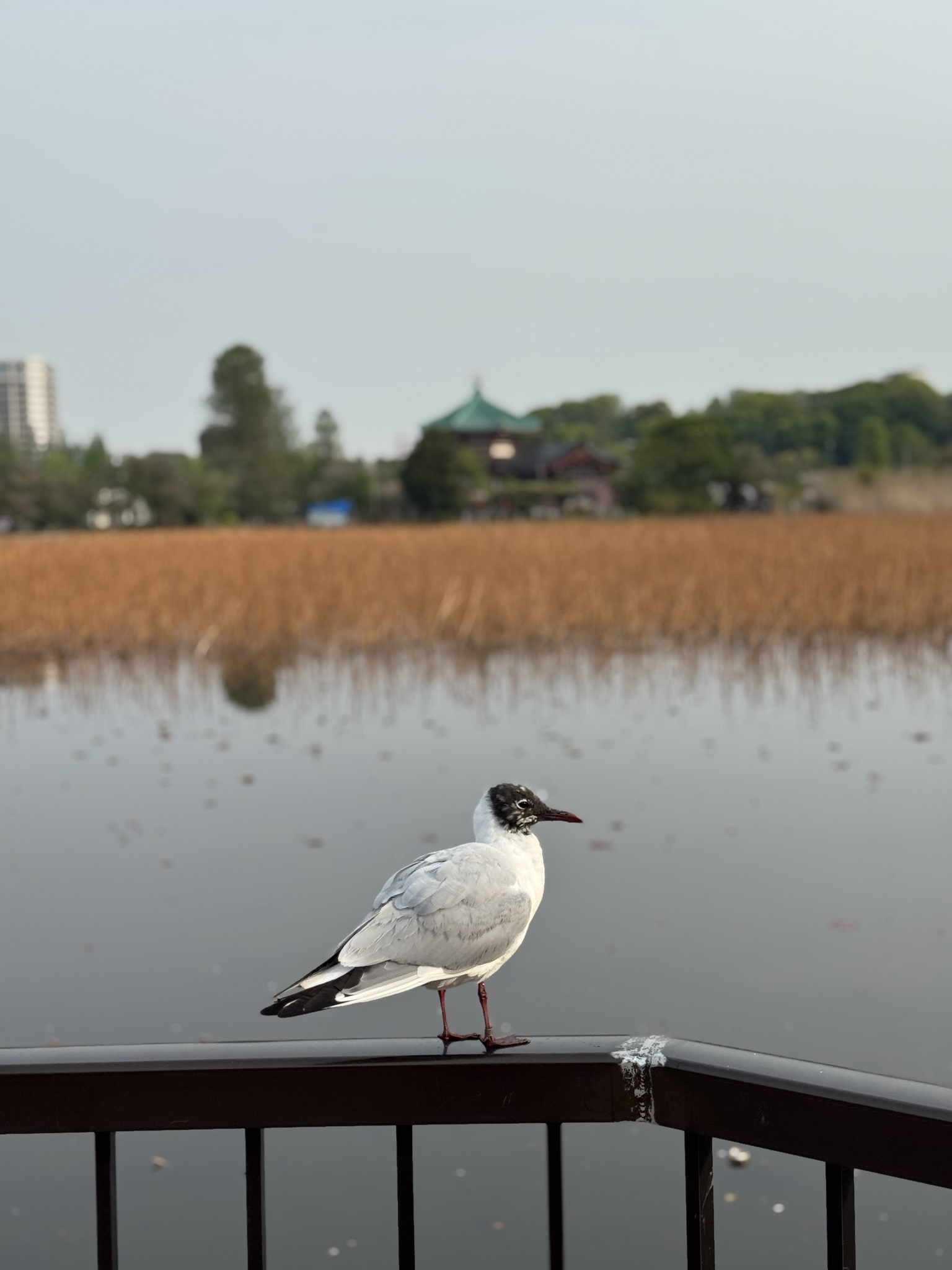
Black-headed gull with mottled dark hood perched on a railing above Shinobazu Pond, Bentendo temple in the background

Black-headed Gull at Shinobazu Pond, Tokyo

Black-headed Gull (Chroicocephalus ridibundus) A small, elegant gull recognized by its dark chocolate-brown breeding hood, red bill, and pinkish-red legs — this individual’s patchy hood marks the transition between winter and summer plumage. One of Tokyo’s most familiar winter gulls, abundant at Shinobazu Pond in Ueno Park from October through April; the Japanese name ユリカモメ (yurikamome) even lends its name to the city’s waterfront rail line. Wikipedia | iNaturalist | eBird

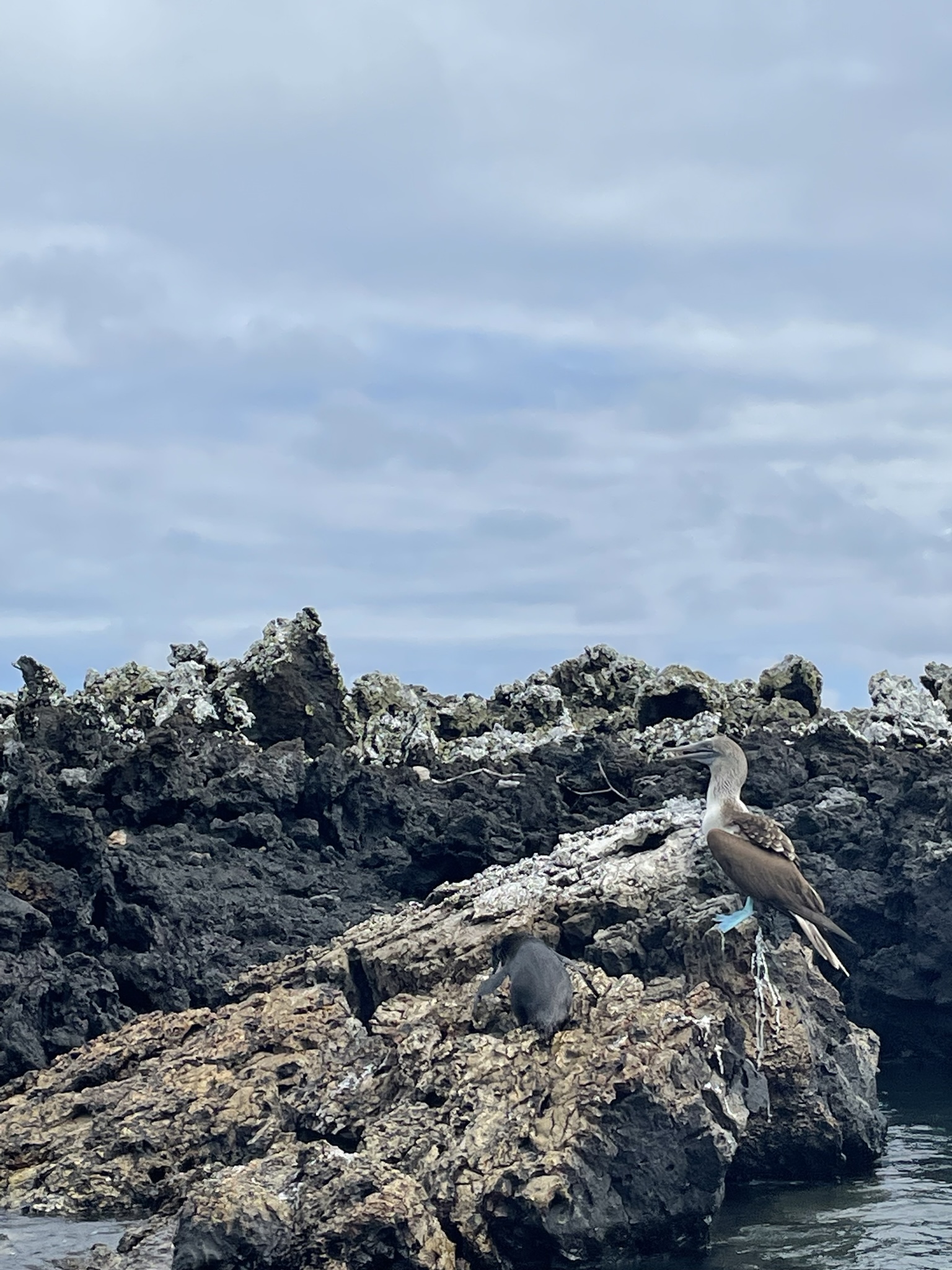
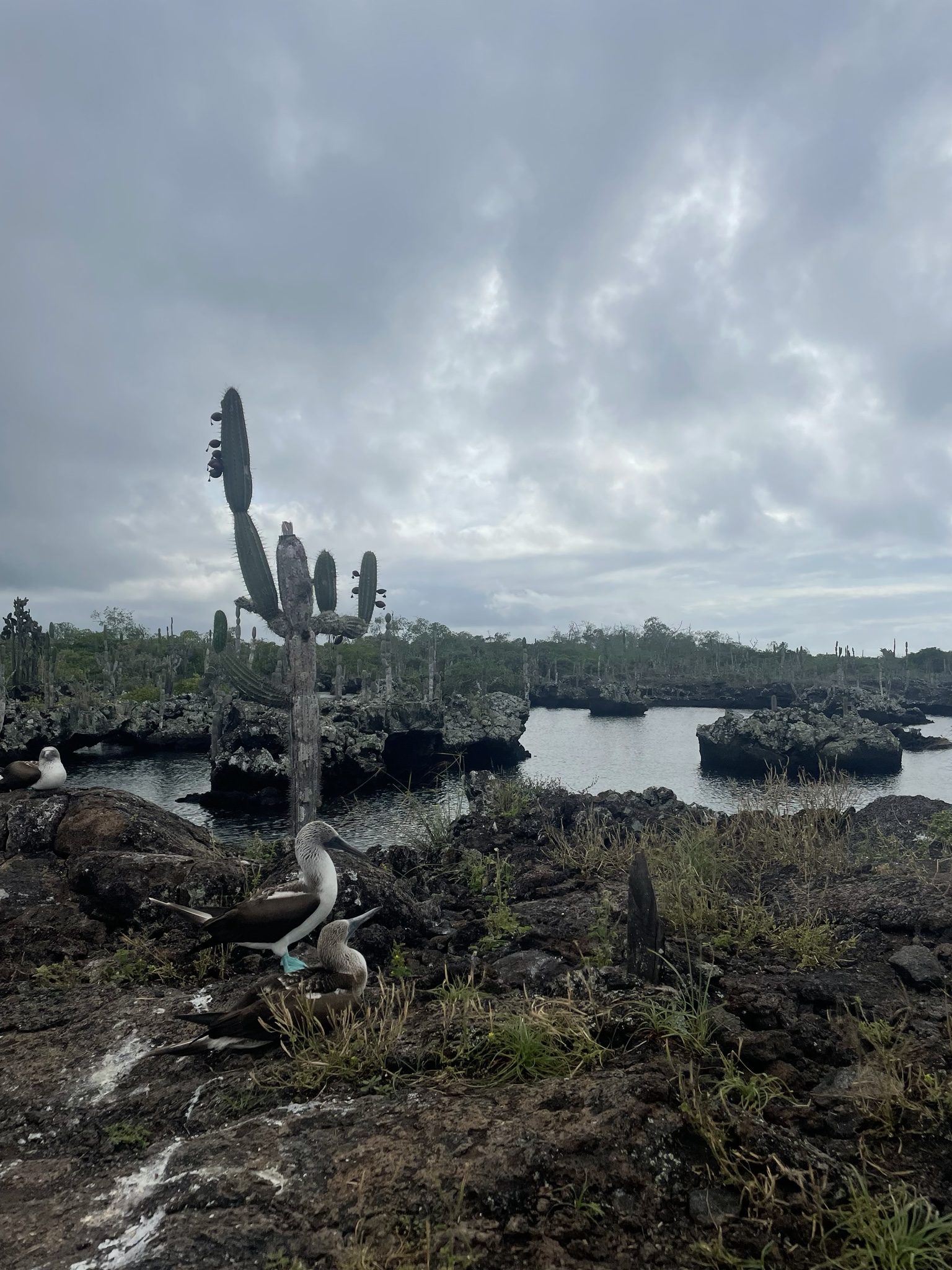
A blue-footed booby perched on volcanic rock above a Galápagos penguin at the water's edge

Blue-Footed Booby and Galápagos Penguin

Blue-footed Booby (Sula nebouxii) Famous for its vivid blue feet — the brighter the color, the healthier the bird — which males show off in an elaborate high-stepping courtship dance. Common throughout the Galápagos Islands year-round, nesting on rocky shores and plunge-diving from height to catch schooling fish. Wikipedia | iNaturalist | eBird Galápagos Penguin (Spheniscus mendiculus) The world’s only penguin found north of the equator and among the rarest — fewer than 2,000 remain, all endemic to the Galápagos archipelago. ...

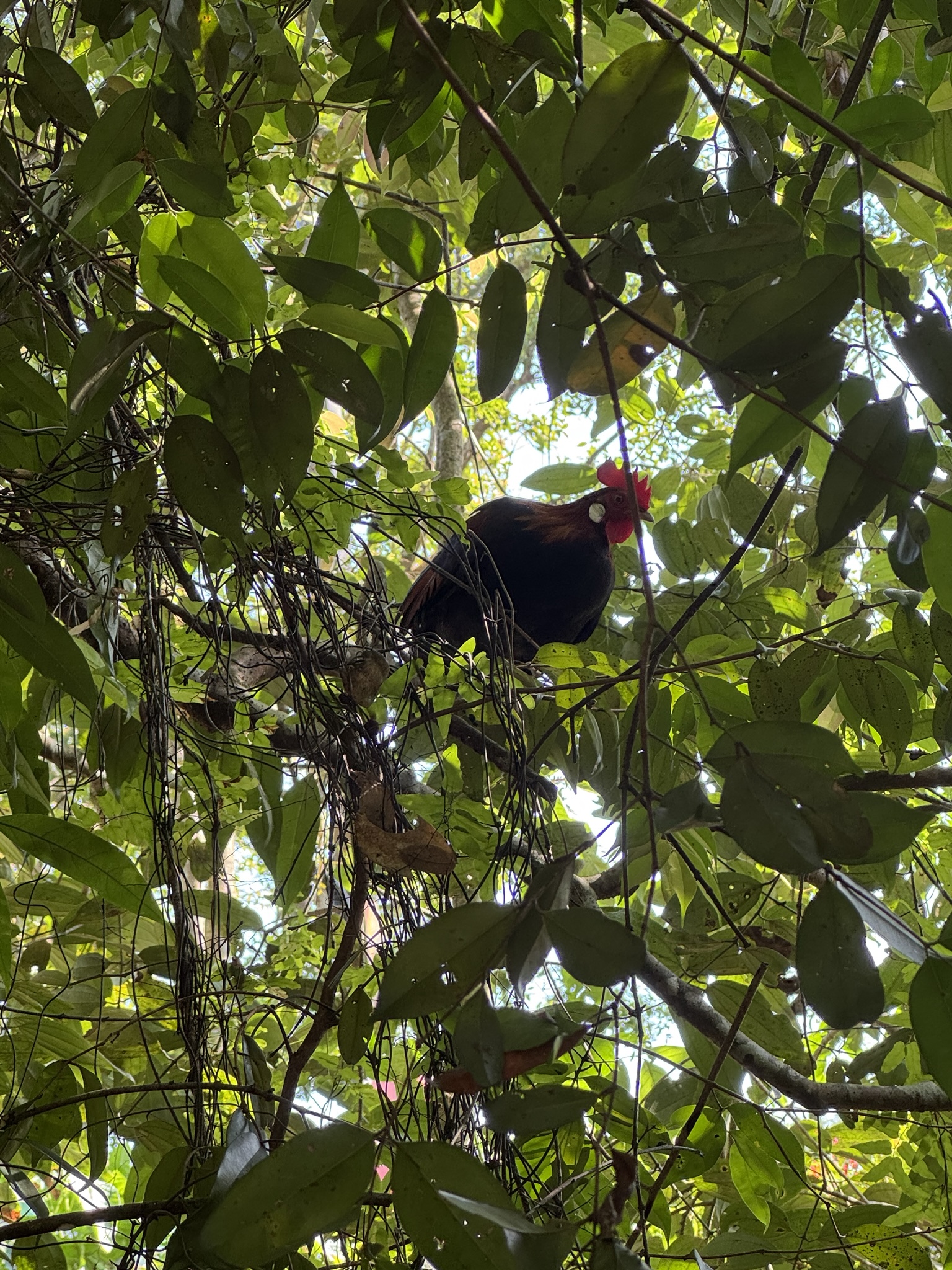
Feral rooster perched high in a tropical tree, red comb poking through dense green canopy

Chicken in a Tree

Red Junglefowl / Feral Chicken (Gallus gallus) Domestic chickens descend from the Red Junglefowl, and feral populations worldwide revert to ancestral habits like roosting in trees — exactly what this rooster is doing. Wikipedia | iNaturalist

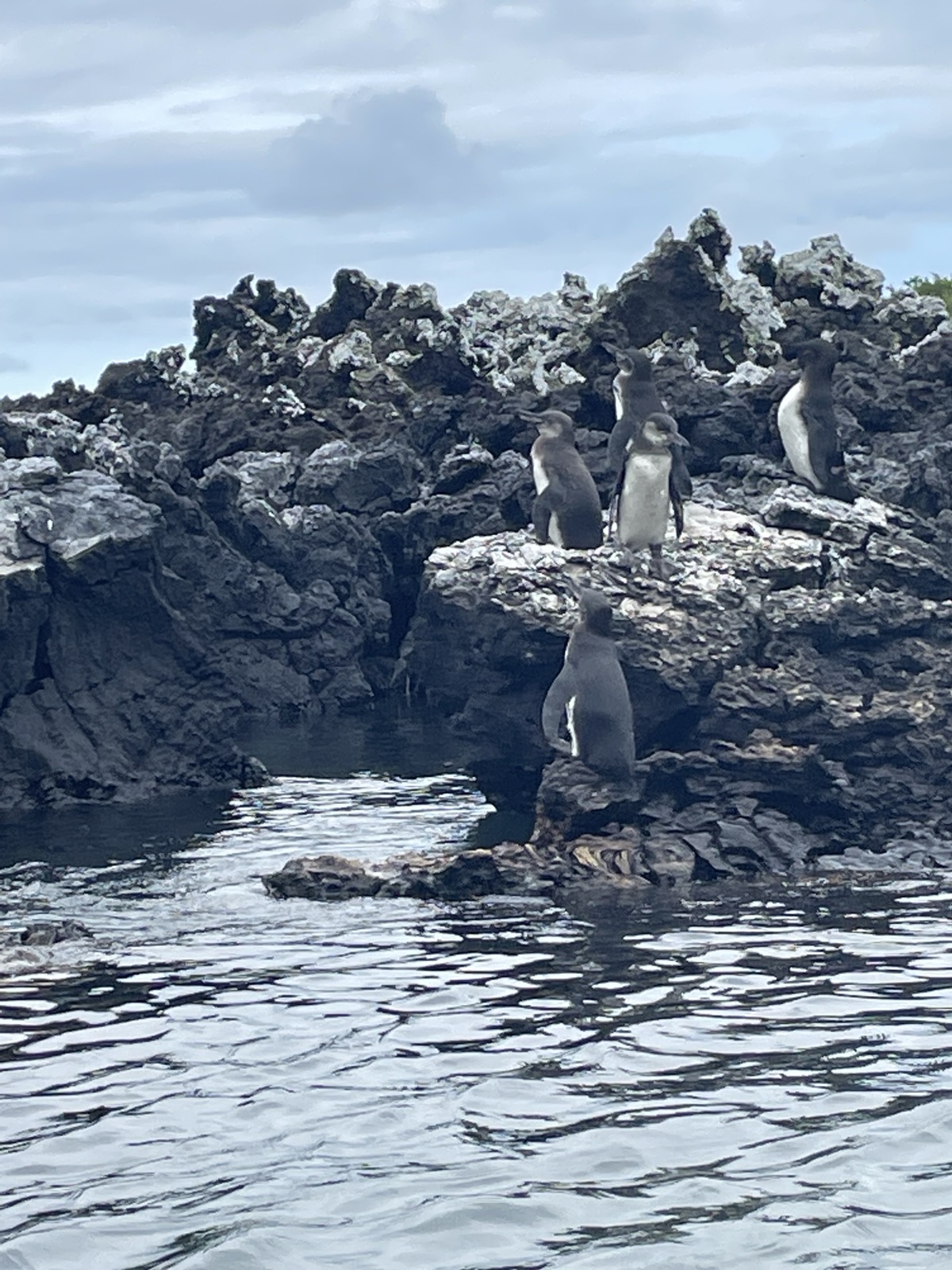
A small group of Galápagos penguins perched on jagged volcanic rock at the water's edge

Galápagos Penguins on the Lava Shore

📍 Isla Isabela, Galápagos Islands Galápagos Penguin (Spheniscus mendiculus) The only penguin species found north of the equator, and the rarest penguin in the world — fewer than 2,000 remain, all within the Galápagos archipelago. Year-round residents of Isla Isabela, which hosts the majority of the global population thanks to the cold, nutrient-rich Cromwell Current that sweeps past the island’s western coast. Wikipedia | iNaturalist | eBird